

How a Local Gym Owner Rebuilt His Business Flow in Minutes
Monday, 8:12 AM. Jason’s phone started buzzing before he even opened the gym. Three unread messages:- “Is the 6pm HIIT class full?”
- “Can I switch to tomorrow?”
- “What’s the difference between your plans?”
Meet Jason
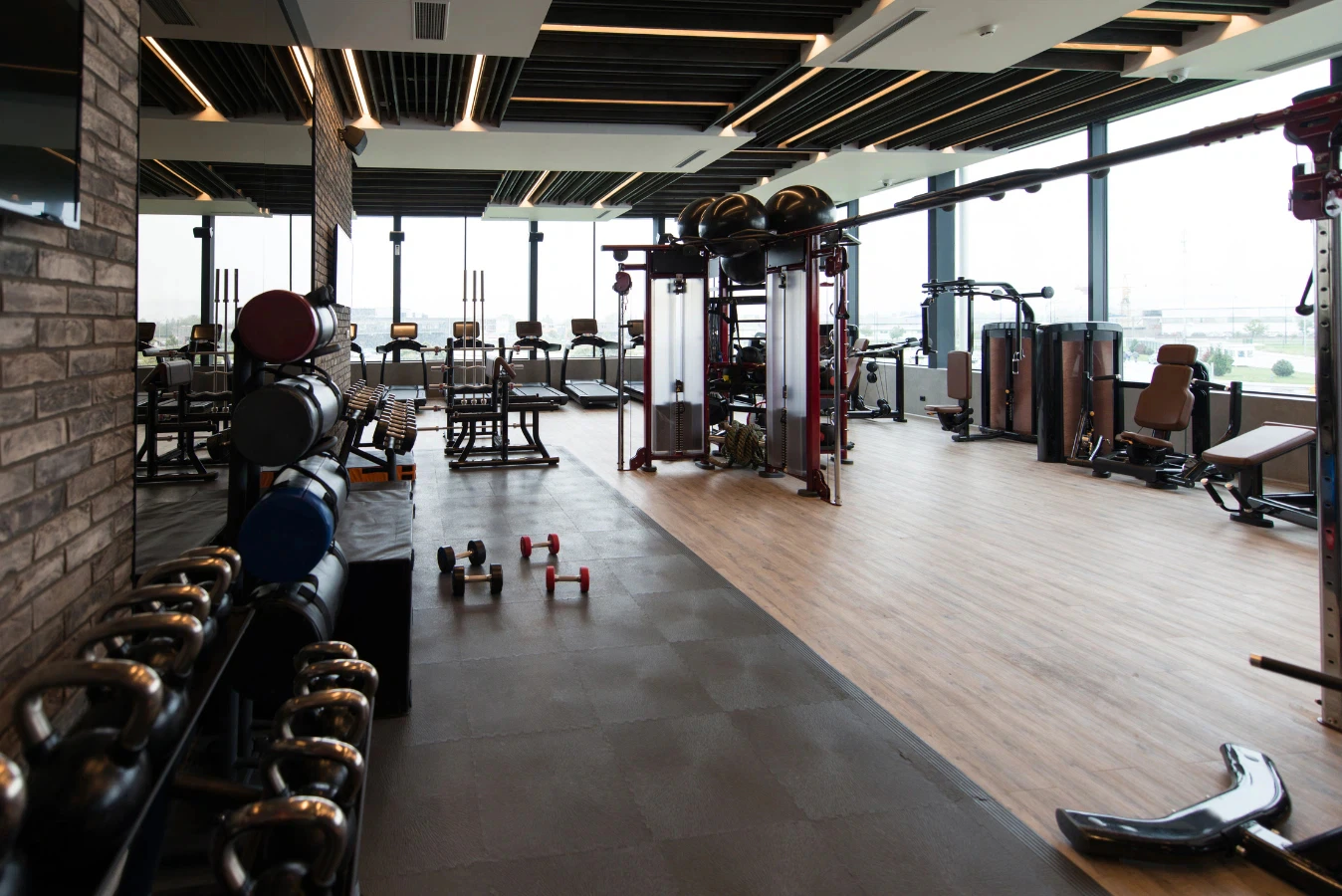
Jason, 40, owns a mid-sized neighborhood gym. Not a startup.Not a franchise. Just a real business:
- 6 trainers
- 20–25 classes per week
- ~150 active members
The Hidden Problem
From the outside, everything looks fine. Inside, it’s messy.Bookings Are Everywhere
- In-person
- Sometimes even phone calls
Schedules Are Fragile
Every Sunday night, Jason updates the weekly schedule manually. He designs a quick poster and posts it on Instagram. If something changes, he:- Edits the post
- Replies to messages
- Explains the same thing repeatedly
Memberships Are Unclear
Customers constantly ask:- “Which plan is better?”
- “What’s included?”
- “Can I pause?”
The Real Cost
This wasn’t just inefficiency. It drained his attention.“I wasn’t tired from training people. I was tired from managing everything around it.”
The Breaking Point
One evening, a class got overbooked. Two members showed up for the same slot. One of them left. That moment made it clear: the system wasn’t sustainable.The Expectation vs. Reality
Jason started looking for solutions. What he found was familiar:- Agencies — Expensive. Slow.
- Freelancers — Required constant coordination.
- Website builders — Looked good, but lacked real functionality.
The Experiment
Instead of overthinking, Jason tried something different. He opened AutoCoder and typed:“Build a modern gym platform with class booking, trainer profiles, membership plans, and a user dashboard.”No specs. No wireframes. Just intent.
What Came Back
Within minutes, he was looking at something unexpected: Not just pages — but a working structure of his business online.Rebuilding the Gym (Digitally)
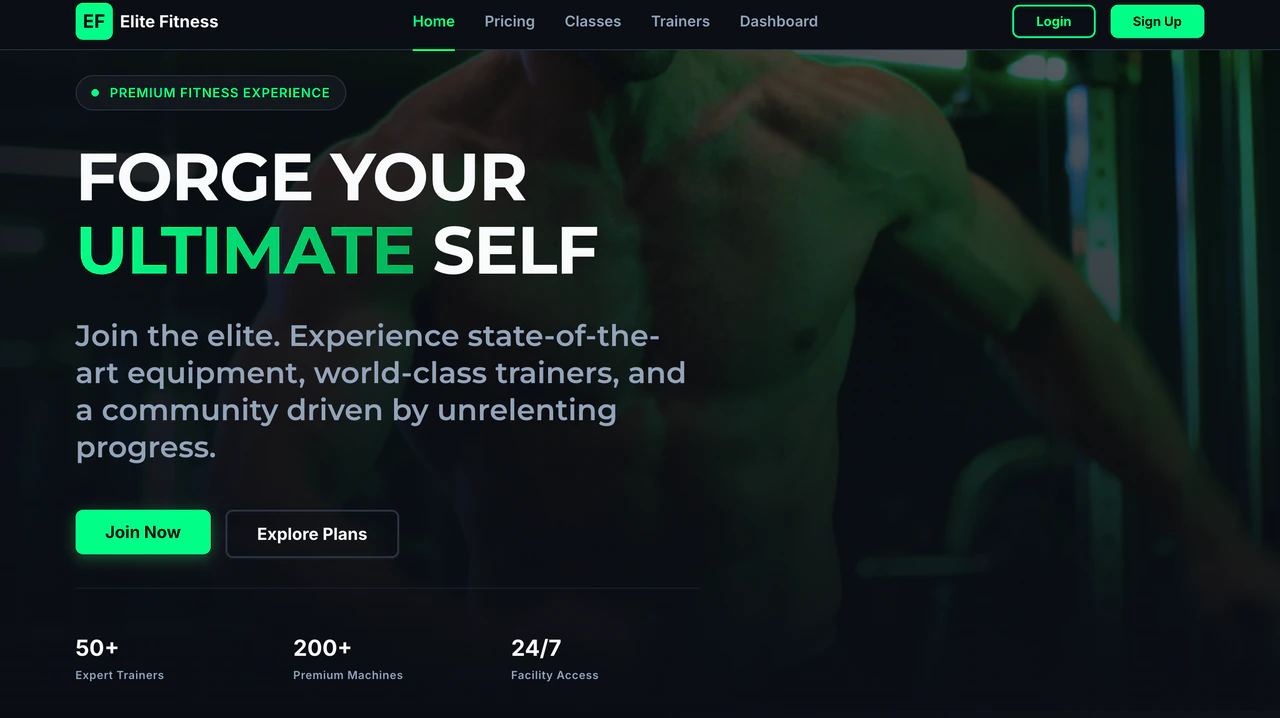
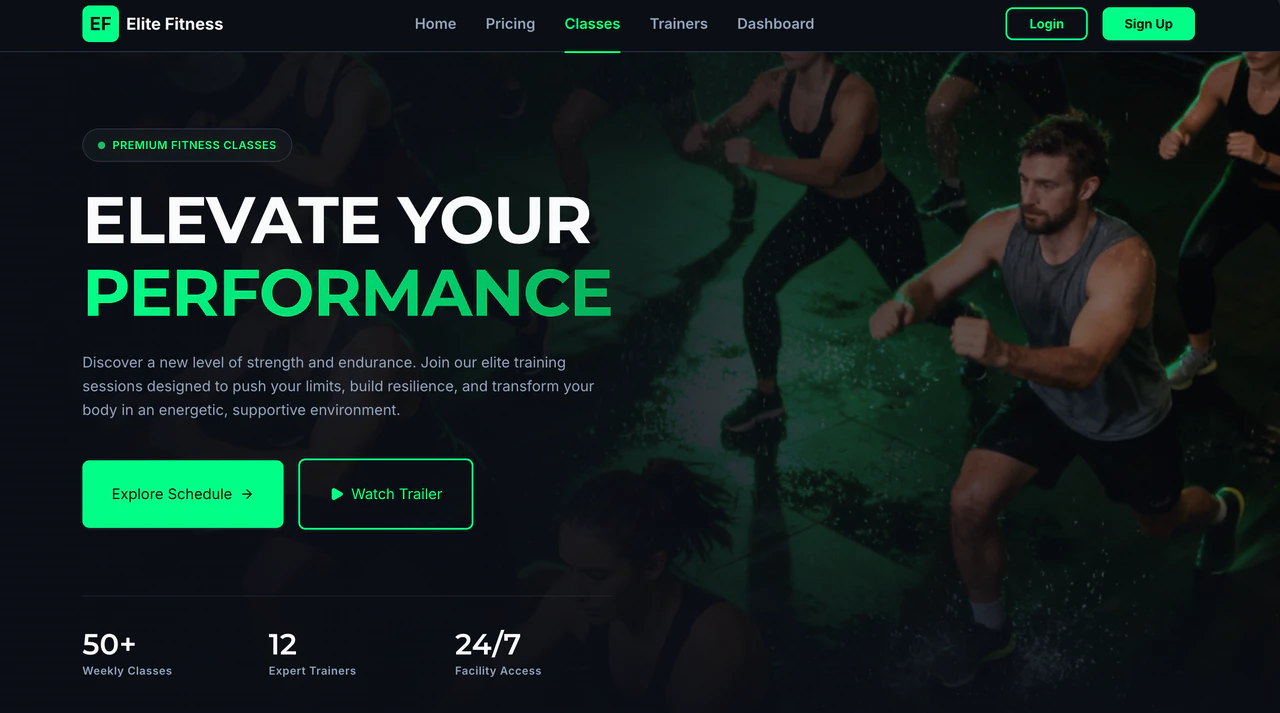
A Homepage That Actually Explains His Gym
For the first time:- His value is clear
- His offer is structured
- His brand feels premium
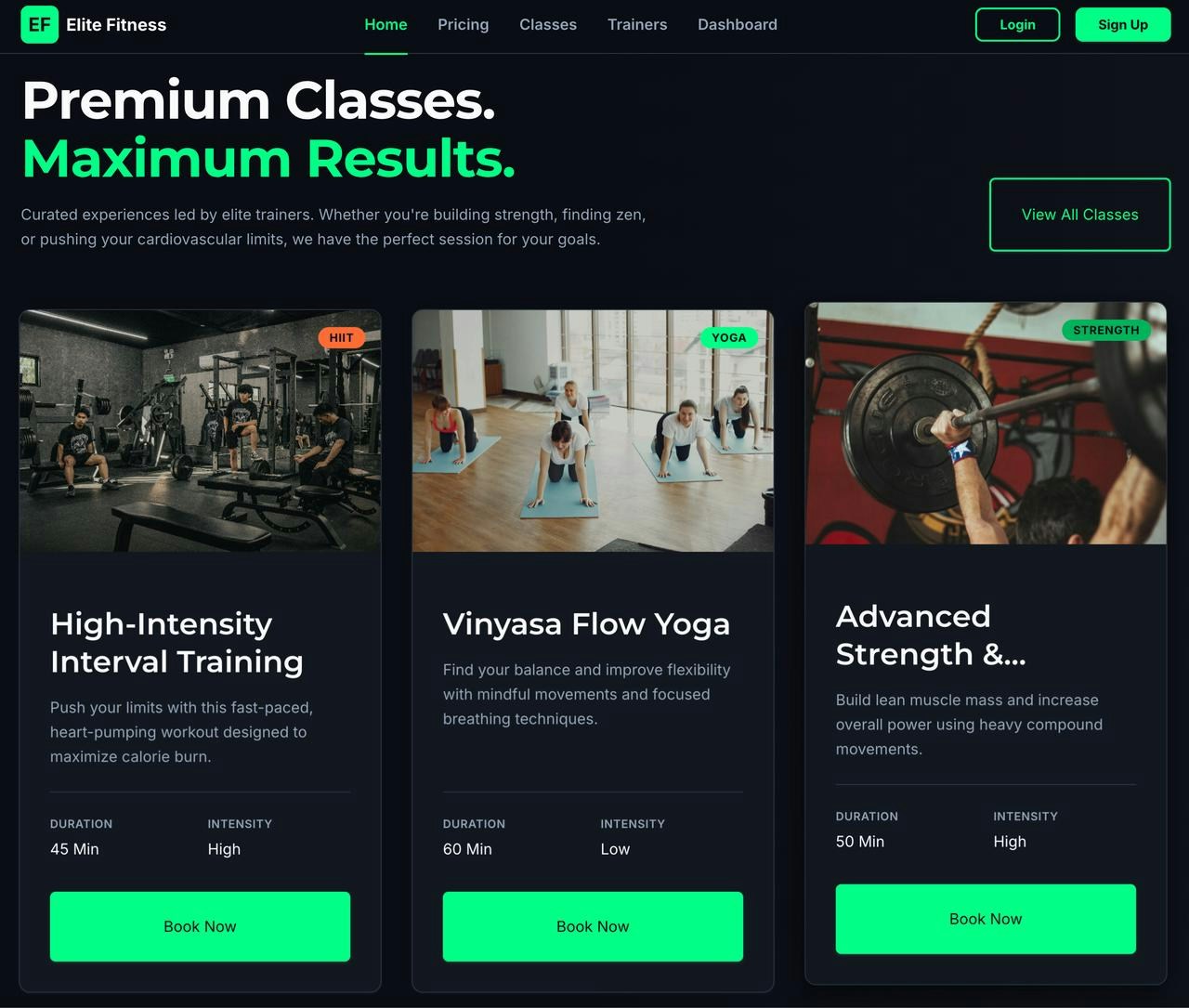
A Real Booking Flow
Now:- Classes are listed in one place
- Availability is visible
- Users book without messaging him
Trainers Become Discoverable
Before: “Which trainer should I choose?” Now:- Profiles
- Specialties
- Clear positioning
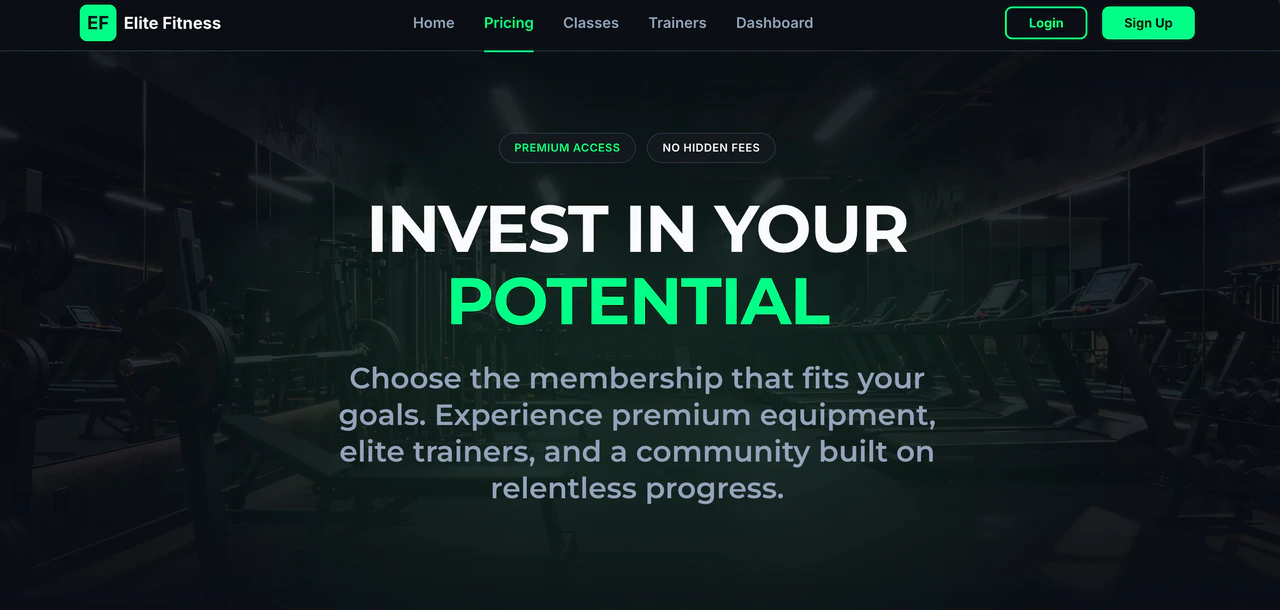

Memberships Stop Being a Conversation
Instead of explaining, he shows:- Monthly vs. yearly
- What’s included
- Who it’s for
Classes Made Visible
One of Jason’s biggest headaches was his class schedule. Before AutoCoder:- Users asked about availability constantly
- Conflicts happened
- Popular classes overbooked
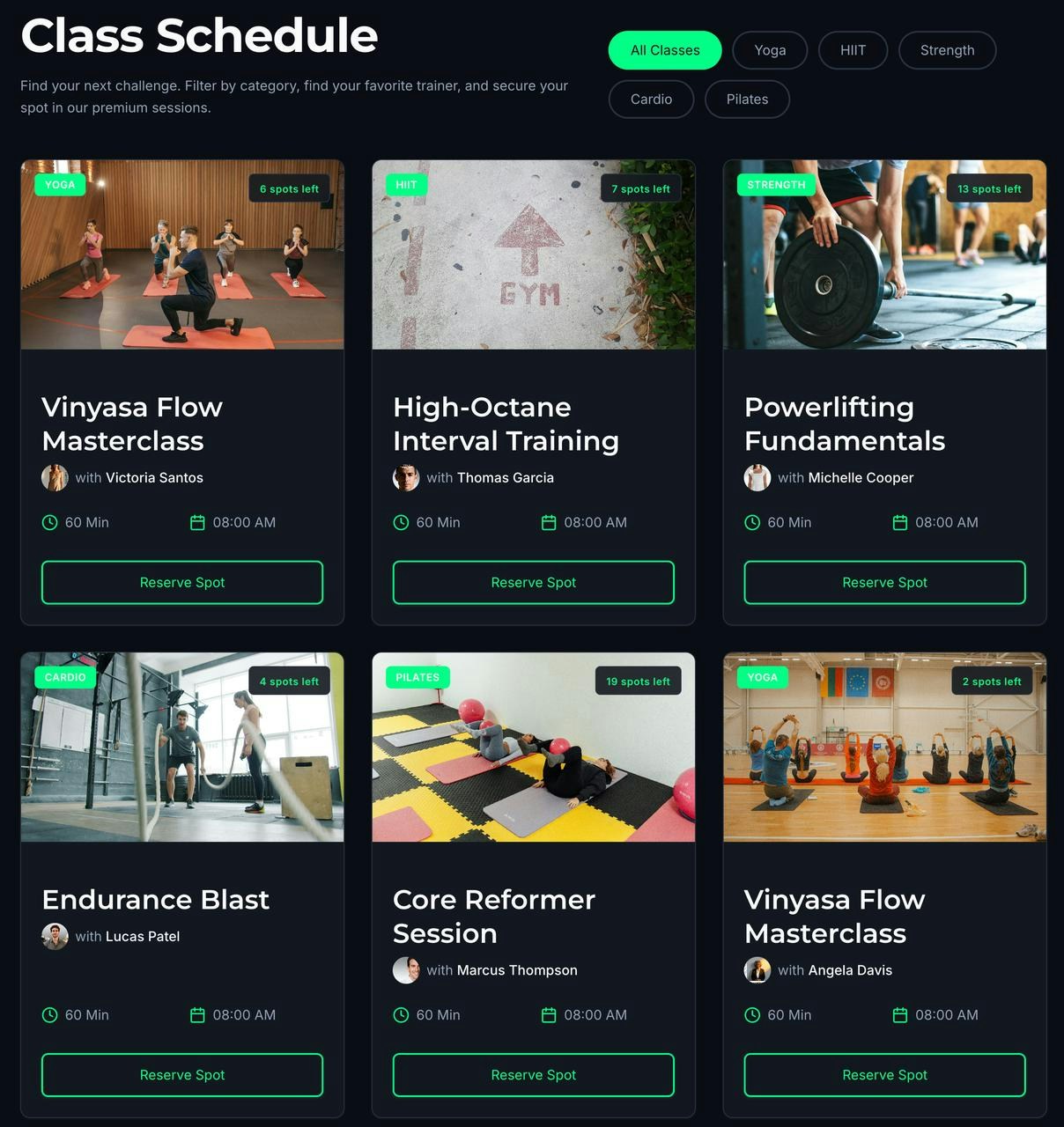
- All classes are listed clearly on a dedicated page
- Users can filter by type: Yoga, HIIT, Strength Training, Pilates
- Each class shows:
- Time and duration
- Instructor
- Difficulty level
- Available slots
- Users can book directly with one click
- Popular classes are visually emphasized
- Mobile users see everything in a scrollable, card-based layout
“I don’t even have to answer questions about class schedules anymore.”This section not only reduces confusion but also drives engagement, as members can discover new classes and plan their week more efficiently.
Meet the Trainers
Another key challenge for Jason was making his trainers visible and approachable. Before AutoCoder:- Members had to ask which trainer to book
- New users felt lost, unsure who suited their goals
- Each trainer has a dedicated profile page
- Profiles include:
- Photo
- Bio
- Specialties (Yoga, HIIT, Strength Training, Personal Coaching)
- Certifications
- Users can filter trainers by expertise or class type
- Popular trainers are highlighted to guide newcomers
“Members now pick trainers themselves, without me having to intervene.”This section builds trust and encourages engagement, as users feel confident in their choices and are more likely to book sessions consistently.


A Second Perspective: Meet Anna
Anna, 28, works a 9–6 job nearby. She used to:- Check Instagram stories for schedules
- DM to confirm availability
- Wait for replies
- She opens the site
- Sees available classes instantly
- Books in under a minute
“It feels like a real product now, not just a gym.”
What Actually Changed
Not everything. The gym is the same:- Same trainers
- Same space
- Same classes
| Before | After |
|---|---|
| Fragmented | Centralized |
| Reactive | Predictable |
| Manual | Self-service |
The Unexpected Outcome
Jason didn’t just save time. He noticed:- Fewer repetitive questions
- Fewer booking conflicts
- More consistent attendance
people started taking the gym more seriously. Because the system felt serious.
What This Really Shows
This isn’t about “building a website.” It’s about turning a business into a system people can interact with.The Bigger Pattern
Jason isn’t unique. This pattern exists everywhere:- Yoga instructors
- Personal trainers
- Salons
- Clinics
- Small local services